


從態度開始的正念修習
石世明中譯
2025/4/8
培養「當下的、不加評判的覺察」——聽來似乎很簡單,實際上卻是人生中最困難的功課之一。我們的心容易被慣性與舊有經驗主導,難以真正清楚地看見當下正在發生的事。2025/4/8
當我們練習正念時,帶入某些特定的「態度」是至關重要的。它們幫助我們不去強求、也不追逐特定結果,而是單純地與當下相處。這些態度不僅能支持我們的正練修習練習,也能融入日常生活,改善我們與自己、與他人、與世界的關係。
Jon Kabat-Zinn 最初在《正念療癒之道》一書中提出了七種正念態度,後來補充為九種。每一種態度都是一扇門,通往正念的核心,也通往我們內在更廣闊的生命智慧。
3. Acceptance 接納
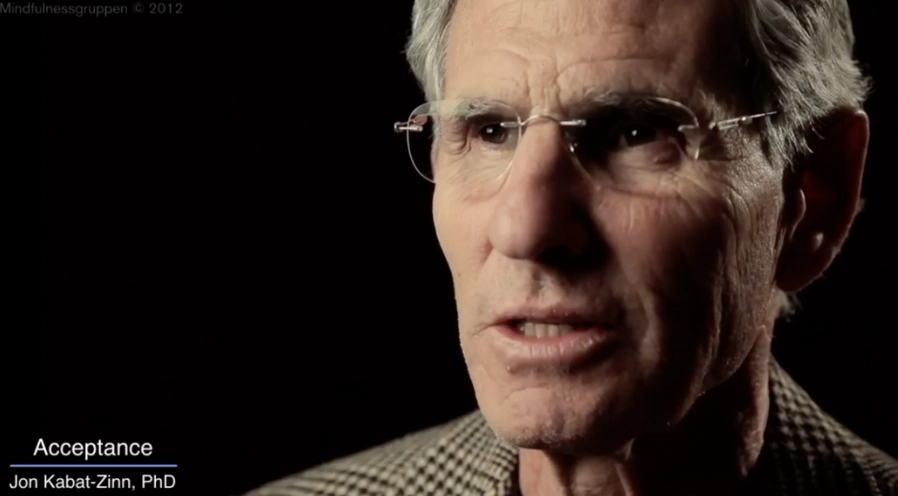
Acceptance is a very active process. There's nothing passive about it. It's not passive resignation, but it's an act of recognition that things are actually the way they are. Sometimes they're not the way we want them to be. So acceptance doesn't mean that we can't work to change the world or to change circumstances of one kind or another. But it means that unless we accept things as they are, we will try to force things to be as they are not—and that can create an enormous amount of difficulty.
接納是非常主動的歷程,它一點都不被動,也並不是消極的放棄,而是一種認可的行動—承認事物就是它們現在的樣子。有時候,現實並不是我們所期望的模樣。所以,接納並不代表我們不能努力改變世界,或改變某些處境。而這意味著:除非我們如其所是地接納事物,否則就會試圖強迫事物變成不是它本來的樣子,而這往往會帶來巨大的困難。
If we recognize the actuality of things, then we have the potential to apply wisdom in that situation—to actually shift our own relationship to what is occurring, in ways that might be profoundly healing and transformative. But without acceptance of the situation, it's very difficult to know where to stand. And without knowing where to stand, it's very difficult to take the first step.
當我們能夠認清事物的本然樣貌,我們就有可能在那樣的處境中運用智慧,實際地轉變我們與當下經驗之間的關係——而這種轉變,往往深具療癒與轉化的力量。但如果我們無法接納這個處境,就很難知道自己該站在哪個立足點上;而當我們不知道從哪裡站穩腳步時,也就難以踏出第一步。
Some things are very hard to accept. Like when you experience pain in your body and you don’t know what it's from—it's very, very difficult to accept it. Because first, we want to know what it’s coming from, and if we don’t have any answer for what’s causing the pain, then it can be very, very difficult to accept it.
有些事情真的很難接納,比如說,當你身體出現疼痛,卻不知道它是從哪裡來的,那種情況下,要接納這份疼痛是非常、非常困難的。因為我們首先會想知道,是什麼造成疼痛,而當我們找不到任何原因可以解釋這個疼痛,那麼要去接納它,就會變得更加困難。
What we find working with chronic pain patients is that before you can actually work with pain and suffering, you need to actually put out the welcome mat for it and accept it as it is. Because whatever has been done medically that could be done, has been done—and you're still living with a certain degree of pain. What people with chronic pain who come to our clinic experience is that there are a lot of different ways to actually work with pain. But the first step is to actually put out the welcome mat for it, which is very hard to do when you're suffering, but it's actually a gateway into freedom from suffering.
我們在與慢性疼痛病人的工作中發現,在你真正能夠開始面對疼痛與受苦之前,你需要先鋪上一張歡迎它的門毯,並如其所是地接納它。因為凡是醫療上能做的,都已經做了,而你仍然帶著某種程度的疼痛生活著。那些來到我們診所的慢性疼痛病人發現,面對疼痛的方法其實有很多種,但第一步,就是鋪上那張歡迎它的門毯。當你正在受苦時,這非常難做到,但它其實是通往擺脫苦難的一扇門。
So that's one of the most powerful ways in which acceptance can be brought to bear on healing and transforming one’s life. And it is a very, very powerful factor—a very, very powerful attitude in the cultivation of mindfulness.
因此,這是接納能夠帶來療癒與生命轉化的最有力方式之一。它是培養正念過程中,一個非常非常重要的關鍵因素,也是一種極其有力的態度。
接納是非常主動的歷程,它一點都不被動,也並不是消極的放棄,而是一種認可的行動—承認事物就是它們現在的樣子。有時候,現實並不是我們所期望的模樣。所以,接納並不代表我們不能努力改變世界,或改變某些處境。而這意味著:除非我們如其所是地接納事物,否則就會試圖強迫事物變成不是它本來的樣子,而這往往會帶來巨大的困難。
If we recognize the actuality of things, then we have the potential to apply wisdom in that situation—to actually shift our own relationship to what is occurring, in ways that might be profoundly healing and transformative. But without acceptance of the situation, it's very difficult to know where to stand. And without knowing where to stand, it's very difficult to take the first step.
當我們能夠認清事物的本然樣貌,我們就有可能在那樣的處境中運用智慧,實際地轉變我們與當下經驗之間的關係——而這種轉變,往往深具療癒與轉化的力量。但如果我們無法接納這個處境,就很難知道自己該站在哪個立足點上;而當我們不知道從哪裡站穩腳步時,也就難以踏出第一步。
Some things are very hard to accept. Like when you experience pain in your body and you don’t know what it's from—it's very, very difficult to accept it. Because first, we want to know what it’s coming from, and if we don’t have any answer for what’s causing the pain, then it can be very, very difficult to accept it.
有些事情真的很難接納,比如說,當你身體出現疼痛,卻不知道它是從哪裡來的,那種情況下,要接納這份疼痛是非常、非常困難的。因為我們首先會想知道,是什麼造成疼痛,而當我們找不到任何原因可以解釋這個疼痛,那麼要去接納它,就會變得更加困難。
What we find working with chronic pain patients is that before you can actually work with pain and suffering, you need to actually put out the welcome mat for it and accept it as it is. Because whatever has been done medically that could be done, has been done—and you're still living with a certain degree of pain. What people with chronic pain who come to our clinic experience is that there are a lot of different ways to actually work with pain. But the first step is to actually put out the welcome mat for it, which is very hard to do when you're suffering, but it's actually a gateway into freedom from suffering.
我們在與慢性疼痛病人的工作中發現,在你真正能夠開始面對疼痛與受苦之前,你需要先鋪上一張歡迎它的門毯,並如其所是地接納它。因為凡是醫療上能做的,都已經做了,而你仍然帶著某種程度的疼痛生活著。那些來到我們診所的慢性疼痛病人發現,面對疼痛的方法其實有很多種,但第一步,就是鋪上那張歡迎它的門毯。當你正在受苦時,這非常難做到,但它其實是通往擺脫苦難的一扇門。
So that's one of the most powerful ways in which acceptance can be brought to bear on healing and transforming one’s life. And it is a very, very powerful factor—a very, very powerful attitude in the cultivation of mindfulness.
因此,這是接納能夠帶來療癒與生命轉化的最有力方式之一。它是培養正念過程中,一個非常非常重要的關鍵因素,也是一種極其有力的態度。