


從態度開始的正念修習
石世明中譯
2025/4/8
培養「當下的、不加評判的覺察」——聽來似乎很簡單,實際上卻是人生中最困難的功課之一。我們的心容易被慣性與舊有經驗主導,難以真正清楚地看見當下正在發生的事。2025/4/8
當我們練習正念時,帶入某些特定的「態度」是至關重要的。它們幫助我們不去強求、也不追逐特定結果,而是單純地與當下相處。這些態度不僅能支持我們的正練修習練習,也能融入日常生活,改善我們與自己、與他人、與世界的關係。
Jon Kabat-Zinn 最初在《正念療癒之道》一書中提出了七種正念態度,後來補充為九種。每一種態度都是一扇門,通往正念的核心,也通往我們內在更廣闊的生命智慧。
5. Trust 信任
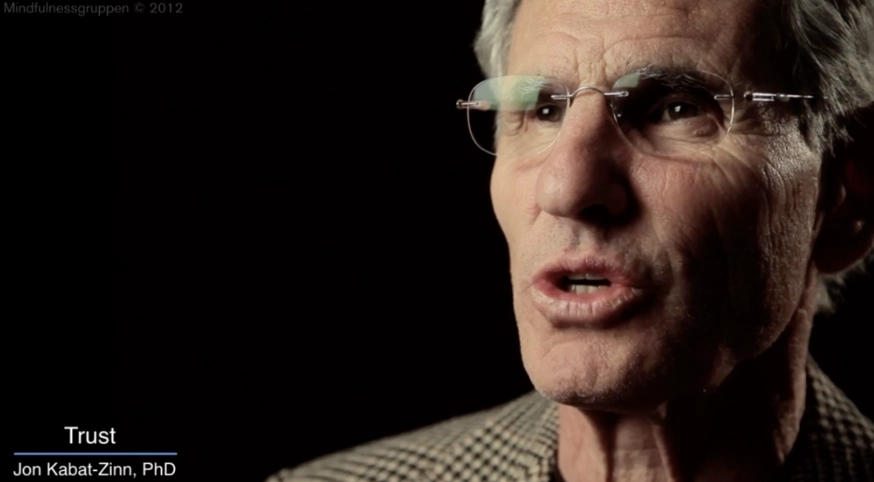
This is what we Trust is a wonderful attitude to cultivate, because there are so many different aspects of our lives that we're kind of strangers too. As we cultivate intimacy with ourselves, we also cultivate a deep sense of trustworthiness and trust.
「信任」是一種值得培養的美好態度,因為在我們的生活中,有太多面向其實對我們來說是陌生的。隨著我們與自己建立起親密連結,我們也同時在培養出一份深層的信任感與可信賴的內在品質。
A good place to start is with ourselves and with our body. Can we actually come to trust the natural wisdom of the bod--how beautifully the body supports our life? We very often take it totally for granted, until something unwanted happens.
而最好的起點,就是從我們自己,從我們的身體開始。我們是否能真正信任身體的自然智慧?它如此美妙地支撐著我們的生命。但我們往往視而不見,直到身體出狀況時,才驚覺自己一直將這一切視為理所當然。
But noticing that, in general, we can trust that the breath will take care of itself—luckily, because if we had to worry about the breath, we would die a long time ago. We trust that the breath comes in, we trust that the breath goes out.
其實我們大致上可以信任:呼吸自會照料自身。幸運的是,若我們還得時時操心呼吸這件事,恐怕早就活不下去了。我們相信氣息會進來,相信氣息會出去。
We trust that the ears can actually hear. We trust that the eyes will actually see. We trust that our organs take care of all the metabolism and biology of being alive. There’s a wisdom to the body that can remind us that we ourselves are trustworthy.
我們相信耳朵確實能聽見,眼睛確實能看見。我們相信體內的器官能照料生命所需的新陳代謝和各項運作。身體蘊藏著一種智慧,提醒我們—我們其實是值得信任的。
And if there are so many beautiful things and so much complex that are unfolding beautifully in the body, why should the mind be any different? Why should the heart be any different?
如果在身體裡,有這麼多美麗且複雜的過程,正以如此精妙的方式展開,那麼,我們的心智,為什麼不也是如此?我們的心,又為什麼會是例外?
The more we can learn to bring trust to ourselves, the more we can learn to bring trust to our relationships, to other people, to nature and to the various challenges that we face in life. So that we can actually reside in our own confidence, in our ability to meet whatever comes toward us in ways that can be effective.
我們越能學習將信任帶回自己,就越能將這份信任擴展到我們的關係中,包括他人、自然,以及生活中所面對的各種挑戰。如此一來,我們便能安住於自己的信心之中,信任自己有能力,以合宜有效的方式,面對生命中所帶來的一切。
It’s all based on trusting ourselves. And that’s something that can be cultivated by practice. So every time we don’t trust ourselves, we can bring awareness to it and remind ourselves that maybe this is a good opportunity to shift from really feeling like we’re not able to trust something to actually trusting it, when it’s in ourselves.
而這一切,都建立在對自己信任的基礎上。這種信任,是可以透過練習來培養的。所以,每當我們發現自己無法信任自己時,我們可以帶著覺察去看見這樣的狀態,並提醒自己:也許,這正是一個契機,讓我們從「覺得自己無法信任某件事」的感受中,逐步轉向一份來自內在的信任。
When it involves other people, it gets a little bit more complicated, because you don’t want to trust naively. But other wisdom factors will help us take care of that.
「信任」是一種值得培養的美好態度,因為在我們的生活中,有太多面向其實對我們來說是陌生的。隨著我們與自己建立起親密連結,我們也同時在培養出一份深層的信任感與可信賴的內在品質。
A good place to start is with ourselves and with our body. Can we actually come to trust the natural wisdom of the bod--how beautifully the body supports our life? We very often take it totally for granted, until something unwanted happens.
而最好的起點,就是從我們自己,從我們的身體開始。我們是否能真正信任身體的自然智慧?它如此美妙地支撐著我們的生命。但我們往往視而不見,直到身體出狀況時,才驚覺自己一直將這一切視為理所當然。
But noticing that, in general, we can trust that the breath will take care of itself—luckily, because if we had to worry about the breath, we would die a long time ago. We trust that the breath comes in, we trust that the breath goes out.
其實我們大致上可以信任:呼吸自會照料自身。幸運的是,若我們還得時時操心呼吸這件事,恐怕早就活不下去了。我們相信氣息會進來,相信氣息會出去。
We trust that the ears can actually hear. We trust that the eyes will actually see. We trust that our organs take care of all the metabolism and biology of being alive. There’s a wisdom to the body that can remind us that we ourselves are trustworthy.
我們相信耳朵確實能聽見,眼睛確實能看見。我們相信體內的器官能照料生命所需的新陳代謝和各項運作。身體蘊藏著一種智慧,提醒我們—我們其實是值得信任的。
And if there are so many beautiful things and so much complex that are unfolding beautifully in the body, why should the mind be any different? Why should the heart be any different?
如果在身體裡,有這麼多美麗且複雜的過程,正以如此精妙的方式展開,那麼,我們的心智,為什麼不也是如此?我們的心,又為什麼會是例外?
The more we can learn to bring trust to ourselves, the more we can learn to bring trust to our relationships, to other people, to nature and to the various challenges that we face in life. So that we can actually reside in our own confidence, in our ability to meet whatever comes toward us in ways that can be effective.
我們越能學習將信任帶回自己,就越能將這份信任擴展到我們的關係中,包括他人、自然,以及生活中所面對的各種挑戰。如此一來,我們便能安住於自己的信心之中,信任自己有能力,以合宜有效的方式,面對生命中所帶來的一切。
It’s all based on trusting ourselves. And that’s something that can be cultivated by practice. So every time we don’t trust ourselves, we can bring awareness to it and remind ourselves that maybe this is a good opportunity to shift from really feeling like we’re not able to trust something to actually trusting it, when it’s in ourselves.
而這一切,都建立在對自己信任的基礎上。這種信任,是可以透過練習來培養的。所以,每當我們發現自己無法信任自己時,我們可以帶著覺察去看見這樣的狀態,並提醒自己:也許,這正是一個契機,讓我們從「覺得自己無法信任某件事」的感受中,逐步轉向一份來自內在的信任。
When it involves other people, it gets a little bit more complicated, because you don’t want to trust naively. But other wisdom factors will help us take care of that.
當信任牽涉到他人時,情況就會複雜一些,因為我們不想出於天真而輕易的相信,但所幸,我還有其他的內在智慧,能夠幫助我們妥善應對這樣的情境。