


從態度開始的正念修習
石世明中譯
2025/4/8
培養「當下的、不加評判的覺察」——聽來似乎很簡單,實際上卻是人生中最困難的功課之一。我們的心容易被慣性與舊有經驗主導,難以真正清楚地看見當下正在發生的事。2025/4/8
當我們練習正念時,帶入某些特定的「態度」是至關重要的。它們幫助我們不去強求、也不追逐特定結果,而是單純地與當下相處。這些態度不僅能支持我們的正練修習練習,也能融入日常生活,改善我們與自己、與他人、與世界的關係。
Jon Kabat-Zinn 最初在《正念療癒之道》一書中提出了七種正念態度,後來補充為九種。每一種態度都是一扇門,通往正念的核心,也通往我們內在更廣闊的生命智慧。
6. Non-Striving非用力追求
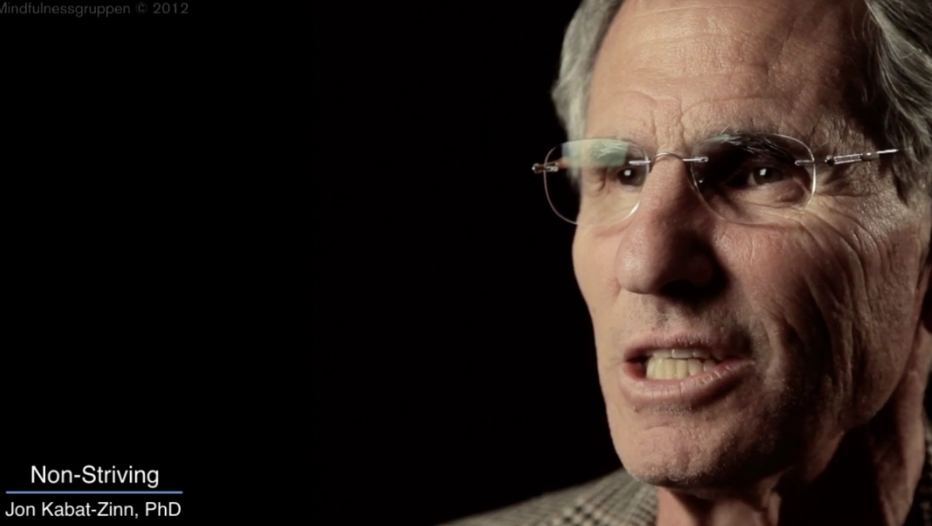
In the cultivation of meditative awareness or mindful awareness, we take the unusual position for Westerners to actually not try to get anywhere else. This is what we call non-striving, or even non-doing.
在培養靜心的覺察或正念覺察時,我們採取了一種對西方人來說相當少見的立場—不試圖前往任何其他地方。這正是我們所說的「非用力追求」,或者「不作為」。
To actually allow things to be held in awareness, without having to operate on them, without having to make anything happen, or try to experience some special state of either relaxation or well-being or anything, but to simply be with the unfolding of life, from moment to moment, without any agenda whatsoever.
也就是,讓一切自然地被覺察所抱持,不必對它們進行操作,不需要讓什麼事情發生,也不必刻意去體驗某種特別的狀態——無論是放鬆、幸福感,或任何你以為應該出現的經驗。而是與單純地,與生命的展開同在,一刻接著一刻,不帶任何預設或企圖。
It turns out this is tremendously healing, tremendously restorative for us too because we have so many agendas and we're always on the way to some better moment in the future, or trying to escape from something in the past.
事實證明,這樣的方式其實具有極大的療癒力與修復力。因為我們總有許多要做的事,我們總是在趕往某個更好的未來時刻,或試圖逃避某些過去的經驗。
But to actually be in a place where we're practicing non-striving and non-doing where we just let things be as they are, is as I said, tremendously nurturing and healing.
但事實上,進入我們練習非用力追求和不作為的空間當中,我們就只是單純讓事物如其所是,猶如我所說的,這非常滋養人心、極具療癒力。
Not easy to do, because we have so many different, so many different items on our to-do list. So the longer your to-do list, the longer we should give ourselves some time to practice non-doing altogether and non-striving, realizing that whatever is already here is good enough. Even if it's not pleasant in this moment, it's enough, and we don't need to try to escape from it, or fix it, or make anything happen.
這並不容易,因為我們的待辦清單上,總是堆滿了各種各樣的事項。而待辦事項越多,我們就越應該為自己留出一些時間,好好練習「不作為」與「不用力追求」,並體認到:此刻所存在的一切,就已足夠。即使當下的經驗並不愉快,它仍舊是足夠的。我們無需逃避它、修正它,或強求任何事情的發生。
在培養靜心的覺察或正念覺察時,我們採取了一種對西方人來說相當少見的立場—不試圖前往任何其他地方。這正是我們所說的「非用力追求」,或者「不作為」。
To actually allow things to be held in awareness, without having to operate on them, without having to make anything happen, or try to experience some special state of either relaxation or well-being or anything, but to simply be with the unfolding of life, from moment to moment, without any agenda whatsoever.
也就是,讓一切自然地被覺察所抱持,不必對它們進行操作,不需要讓什麼事情發生,也不必刻意去體驗某種特別的狀態——無論是放鬆、幸福感,或任何你以為應該出現的經驗。而是與單純地,與生命的展開同在,一刻接著一刻,不帶任何預設或企圖。
It turns out this is tremendously healing, tremendously restorative for us too because we have so many agendas and we're always on the way to some better moment in the future, or trying to escape from something in the past.
事實證明,這樣的方式其實具有極大的療癒力與修復力。因為我們總有許多要做的事,我們總是在趕往某個更好的未來時刻,或試圖逃避某些過去的經驗。
But to actually be in a place where we're practicing non-striving and non-doing where we just let things be as they are, is as I said, tremendously nurturing and healing.
但事實上,進入我們練習非用力追求和不作為的空間當中,我們就只是單純讓事物如其所是,猶如我所說的,這非常滋養人心、極具療癒力。
Not easy to do, because we have so many different, so many different items on our to-do list. So the longer your to-do list, the longer we should give ourselves some time to practice non-doing altogether and non-striving, realizing that whatever is already here is good enough. Even if it's not pleasant in this moment, it's enough, and we don't need to try to escape from it, or fix it, or make anything happen.
這並不容易,因為我們的待辦清單上,總是堆滿了各種各樣的事項。而待辦事項越多,我們就越應該為自己留出一些時間,好好練習「不作為」與「不用力追求」,並體認到:此刻所存在的一切,就已足夠。即使當下的經驗並不愉快,它仍舊是足夠的。我們無需逃避它、修正它,或強求任何事情的發生。