


從態度開始的正念修習
石世明中譯
2025/4/8
培養「當下的、不加評判的覺察」——聽來似乎很簡單,實際上卻是人生中最困難的功課之一。我們的心容易被慣性與舊有經驗主導,難以真正清楚地看見當下正在發生的事。2025/4/8
當我們練習正念時,帶入某些特定的「態度」是至關重要的。它們幫助我們不去強求、也不追逐特定結果,而是單純地與當下相處。這些態度不僅能支持我們的正練修習練習,也能融入日常生活,改善我們與自己、與他人、與世界的關係。
Jon Kabat-Zinn 最初在《正念療癒之道》一書中提出了七種正念態度,後來補充為九種。每一種態度都是一扇門,通往正念的核心,也通往我們內在更廣闊的生命智慧。
7. Patience 耐心
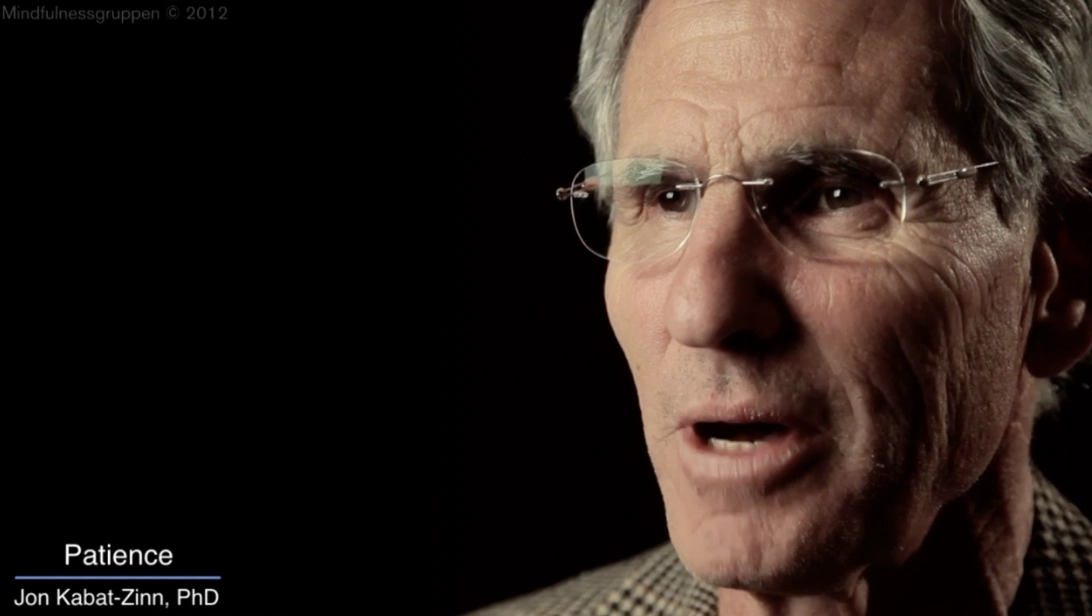
I don't know if you've noticed this, but a lot of times I find that I'm impatient to get to the next important thing happening, and so missing the present moment because of my impatience.
我不知道你是否也曾察覺到這點,但我自己常常發現,自己總是急著前往下一件重要的事,也因此,常常因為這份不耐而錯過了當下這一刻。
To actually intentionally cultivate patience, and a kind of recognition that things unfold in their own way, and that in some profound way, things cannot be hurried.
要真正有意識地培養耐心,並認識到:事物會以它自己的方式展開,從某種深層的角度來說,有些事情是急不得的。
So when we're always rushing to get someplace else, the byproduct of that is that we're never where we actually are—which is a tremendous sadness and a tremendous loss.
當我們老是匆匆忙忙地想要趕往下一個地方,實際上付出的代價是—我們從未真正存在於自己所在的位置。那是一種深切的遺憾,也是一種巨大的失落。
Sometimes we're impatient with other people, sometimes we're impatient at work, sometimes we're impatient to get things done. But this wisdom of patience is something that is also profoundly healing and restorative. And it is akin to recognizing—as some children don’t—when they, for instance, try to make the butterfly come out before its time from the chrysalis that certain things can’t be hurried, but things do unfold in their own time.
有時,我們對別人缺乏耐心;有時,我們對工作不耐煩;有時,我們只是想要快點完成某些事情。然而,「耐心」所蘊含的智慧,其實也帶有深刻的療癒與復原力量。這就像某些孩子還不懂的道理—他們會試圖讓蝴蝶提早從蛹中飛出,卻還沒明白:有些事情就是不能催促,但它們終究會在自己的節奏中,自然展開。
So if we actually learn to be patient with ourselves, then we're inhabiting the present moment in ways that have great comfort and great profundity of both acceptance and wisdom associated with them.
當我們真正學會對自己有耐心,我們便能以一種安定、深刻的方式活在當下,這其中交融著接納,也蘊含著智慧。
我不知道你是否也曾察覺到這點,但我自己常常發現,自己總是急著前往下一件重要的事,也因此,常常因為這份不耐而錯過了當下這一刻。
To actually intentionally cultivate patience, and a kind of recognition that things unfold in their own way, and that in some profound way, things cannot be hurried.
要真正有意識地培養耐心,並認識到:事物會以它自己的方式展開,從某種深層的角度來說,有些事情是急不得的。
So when we're always rushing to get someplace else, the byproduct of that is that we're never where we actually are—which is a tremendous sadness and a tremendous loss.
當我們老是匆匆忙忙地想要趕往下一個地方,實際上付出的代價是—我們從未真正存在於自己所在的位置。那是一種深切的遺憾,也是一種巨大的失落。
Sometimes we're impatient with other people, sometimes we're impatient at work, sometimes we're impatient to get things done. But this wisdom of patience is something that is also profoundly healing and restorative. And it is akin to recognizing—as some children don’t—when they, for instance, try to make the butterfly come out before its time from the chrysalis that certain things can’t be hurried, but things do unfold in their own time.
有時,我們對別人缺乏耐心;有時,我們對工作不耐煩;有時,我們只是想要快點完成某些事情。然而,「耐心」所蘊含的智慧,其實也帶有深刻的療癒與復原力量。這就像某些孩子還不懂的道理—他們會試圖讓蝴蝶提早從蛹中飛出,卻還沒明白:有些事情就是不能催促,但它們終究會在自己的節奏中,自然展開。
So if we actually learn to be patient with ourselves, then we're inhabiting the present moment in ways that have great comfort and great profundity of both acceptance and wisdom associated with them.
當我們真正學會對自己有耐心,我們便能以一種安定、深刻的方式活在當下,這其中交融著接納,也蘊含著智慧。